
Blog
Top 5 Tips for a Successful Development

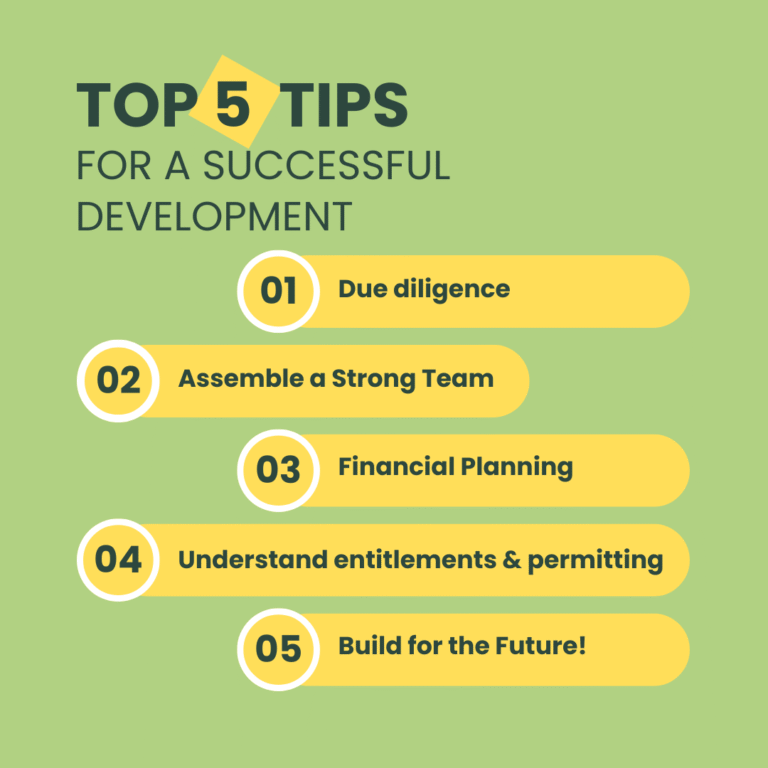
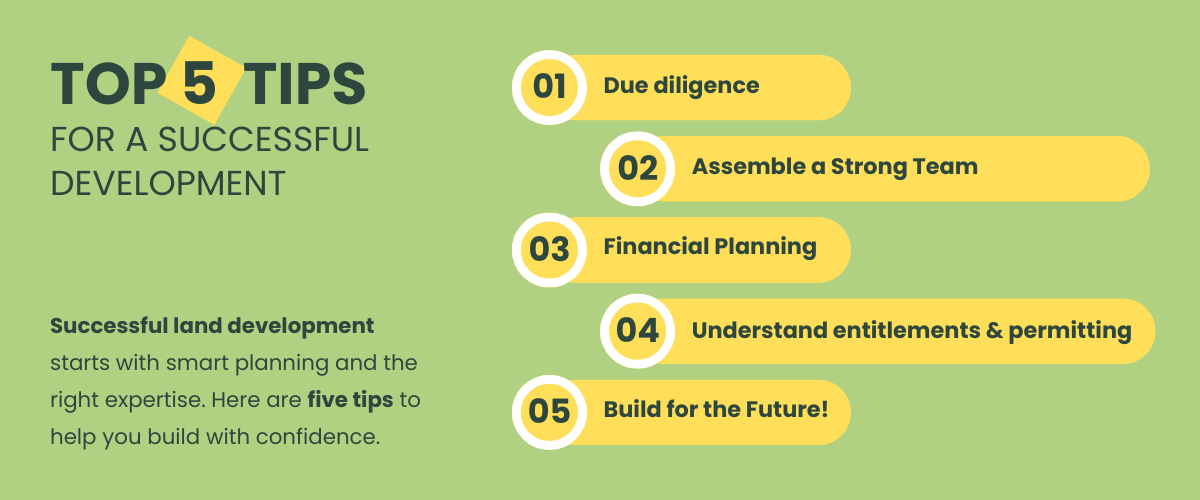
Successful land development begins long before construction starts. The most successful projects are the ones built on smart planning, the right expertise, and a clear understanding of the land itself. At CEG, we’ve seen what works—and what causes costly setbacks. Here are the top five tips every developer should know to move forward with confidence and avoid surprises along the way.
1. Due diligence
Fully understanding the land’s potential—and limitations—before the purchase is one of the most critical steps. Evaluating zoning and jurisdiction, assessing the topography and natural features, determining access to utilities, and identifying environmental constraints. We also recommend that you physically walk the property; this will not only allow for a deeper understanding of what is possible, but you may notice something someone else overlooked, for instance, the potential or… a headstone. Involving civil engineers in this early stage can make a huge difference. At CEG, we help developers uncover both constraints and opportunities, with identifying geotechnical or environmental analyses that might be needed and providing a realistic snapshot of layout potential, utility access, and stormwater solutions. This proactive approach often helps our clients make smarter investment decisions and avoid costly surprises later on.
2. Assemble a Strong Team
Having an experienced team with expertise behind you can make or break a project. Hiring and engaging with civil engineers, land use attorneys, architects, and other consultants early on in the process can save time and money later. CEG plays a key role in helping developers assemble and coordinate the right team from the start. Our engineers not only design but also guide the process—identifying what needs to happen now to keep things moving later. The importance of this tip grows with project complexity, but even for smaller developers, this step could save you the hassle and hardship of receiving an NOV for misunderstanding the exact verbiage of your NPDES permit. Joining forces with CEG strengthens your arsenal with deep experience and foresight–so you’re always proactive, never reactive.
3. Financial Planning
Budgeting for the project probably sounds obvious, but making sure to include soft costs (a.k.a “the ones you didn’t think of”) such as design, permitting, legal fees, environmental studies, is often overlooked. Even with a comprehensive budget, make sure to include contingencies into your schedule; delays are a hard reality of development. Undoubtedly, working with someone experienced in land development will improve the accuracy and sufficiency of your budget. CEG’s broad experience working alongside developers allows us to bring a financial lens to every stage of design. Early in the process, we help establish realistic construction budgets and keep refining them as the design evolves—so there are no surprises when it’s time to build.
4. Understand entitlements and permitting
Thorough knowledge of local, state and federal authority approval processes and regulations, including zoning, land use, and utility requirements, is essential to keeping your project on schedule. At CEG, we help clients validate those details early—making sure the development vision fits within the local framework before time and money are invested. Our team routinely engages with city and state agencies to clarify interpretations and prevent late-stage surprises that can derail schedules or force costly redesigns.
5. Build for the Future!
Sustainable design is often underestimated, even by seasoned developers—mistakenly—seeking to cut costs. Skipping this will only have you spending more money in the future, whether it’s to repair damage caused by short-sighted design or missed opportunities at resale. Prioritizing long-term durability not only enhances community value, it protects your bottom line. At CEG we fully understand the importance of resilient design and approach every project with longevity in mind. Whether it’s incorporating smarter stormwater solutions, reducing long-term maintenance costs, or planning for future growth, we help developers make decisions that protect both their investment and the community for years ahead.